Lower Body Athletic Workout - 45min Intermediate
This lower body session focuses on explosive power and unilateral stability to build a resilient athletic foundation. You will progress from heavy bilateral barbell lifts to challenging single-leg variations that mimic real-world movement patterns. The programming is designed to increase your vertical force production while bulletproofing your joints.
Perfect for field athletes or weekend warriors looking to improve their sprint speed and jumping ability. It is also ideal for intermediate lifters wanting to transition from basic movements to more complex functional stability challenges.
Equipment
Workout Plan
Rest 90-120s between heavy barbell sets, 60-75s between unilateral handle work, and 45s for the core and calf finishers.
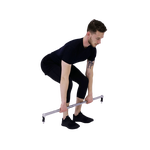
Barbell Deadlift
Glutes, Hamstrings, Abs
Drive your heels through the floor and engage the bar's smart sensors to begin the lift.
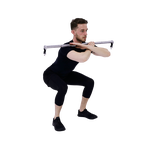
Barbell Front Squat
Quads, Glutes, Abs
Keep your elbows high and the bar close to your collarbone to maintain an upright torso.
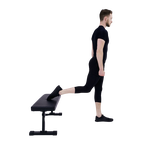
Bulgarian Split Squat
Quads, Glutes, Obliques
Lower slowly and use Tonal's consistent tension to stay balanced throughout the descent.
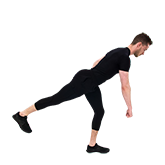
Single Arm Single Leg RDL
Hamstrings, Glutes, Obliques
Keep your hips square to the floor and don't let the handle pull your shoulder out of alignment.
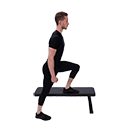
Resisted Step Up
Hamstrings, Glutes
Push through the lead heel and avoid using the trailing leg for momentum.
Resisted Calf Raise
Calves
Pause for one second at the top of the contraction to maximize engagement with the smart handles.
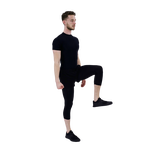
Suitcase March
Obliques
Maintain a tall posture and resist the side-pull of the digital weight as you lift each knee.
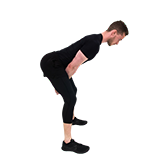
Pull Through
Hamstrings, Glutes, Abs
Squeeze your glutes hard at the top and let the rope cables pull your hips back into the hinge.
Why this order
We start with high-intensity barbell compounds to maximize neural recruitment and strength when energy is highest. The middle block uses handle-based unilateral movements to challenge lateral stability and address asymmetries. We conclude with high-volume accessory and rope work to maximize hypertrophy and improve tendon health.
Want this personalized for you?
This is a template workout. Connect your Tonal and the AI coach adjusts weights to your strength scores, swaps exercises around injuries, and progresses you week over week.
Start Free with AI CoachFrequently Asked Questions
What weight should I start with for the single-leg movements?
Tonal will provide a digital weight suggestion based on your previous lifts, but for single-leg RDLs, it is wise to reduce it by 10% for the first set to ensure your balance is stable.
Can I use the Spotter mode for the Barbell Front Squat?
Yes, Spotter mode is highly recommended for the front squats so you can safely push to your limit without worrying about the bar path or getting stuck at the bottom.
How often should I perform this specific lower body workout?
Because of the high central nervous system demand of the heavy barbell lifts, perform this session no more than twice per week with at least 72 hours of recovery in between.
Why are the rep ranges so different across the exercises?
This follows an athletic periodization model where we use low reps for raw power on big lifts and higher reps for the accessories to build muscle and endurance.